
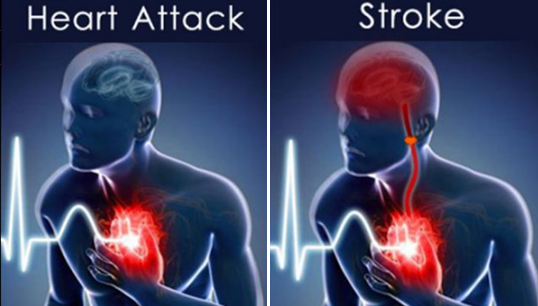
Advanced Certificate of Heart Attack & Stroke Studies
Develop a profound, scientifically grounded understanding of cardiovascular and neurological emergencies with the Advanced Certificate of Heart Attack & Stroke Studies. This self-paced online course delivers a comprehensive, theoretical foundation in the mechanisms, identification, and prevention of myocardial infarctions (heart attacks) and strokes.
Whether you are an aged care worker, a disability support professional, a fitness coach looking to better understand high-risk clients, or an individual wanting to support the long-term recovery of a loved one, this course provides essential, life-saving knowledge.
-
Price: $180 AUD
-
Duration: Approx. 25 hours (Flexible 5–10 weeks)
-
Access: 12 Months full access (Free extensions available)
-
Study Mode: 100% Online & Self-Paced
-
Assessment: Online Assignments
Why Study Cardiovascular and Stroke Science?
Heart attacks and strokes are among the leading causes of long-term disability and mortality globally. However, understanding the anatomical triggers, recognizing early warning symptoms, and implementing strong secondary prevention plans can drastically improve patient outcomes and quality of life. This certificate bridges the gap between basic awareness and an advanced understanding of managing lifestyle modifications, treatments, and post-incident care.
Course Curriculum & Topics Covered
Our structured modules organize complex pathophysiology, diagnostic concepts, and rehabilitation pathways into clear, practical learning units.
1. Pathophysiology, Anatomy & Identification
-
Anatomy of an Incident: A clinical look at the cardiovascular and nervous systems, exploring exactly what happens during a heart attack or a stroke (ischemic vs. hemorrhagic).
-
Symptom Identification: Recognizing critical warning signs and atypical presentations across different demographics.
-
The Impact of Age & Gender: Analyzing how risk factors, symptoms, and outcomes vary between men and women as they age.
2. Diagnosis, Clinical Treatment & Management
-
Diagnosis & Prognosis: Introduction to common clinical diagnostic tools, medical terminology, and understanding long-term recovery timelines.
-
Clinical Interventions: An overview of standard methods and procedures, including surgical interventions (like stents or bypass surgery) and pharmacological management (clot-busting drugs, blood thinners, and blood pressure medications).
-
Navigating Disability: Understanding the neurological and physical changes caused by these incidents and learning strategies to cope with and adapt to long-term impairment.
3. Rehabilitation, Diet & Lifestyle Modification
-
-
Nutritional Principles for Recovery: Designing heart-healthy dietary frameworks to reduce cholesterol, lower blood pressure, and manage plaque buildup.
-
Prescribed Exercise & Rehabilitation: Implementing safe, low-impact physical activity to rebuild cardiovascular endurance and physical strength.
-
Exercise Equipment & Safety: Learning how to safely utilize home and clinical exercise equipment while managing physical limitations and preventing overexertion.
-
Upskill with Australia Online Courses
Proudly delivering flexible, professional education since 2008. Secure your spot today to instantly open your student portal and expand your health and care credentials.
See Also
-
-
-
Diploma of Heart Attack & Stroke Studies: Take your health advocacy and knowledge further. Combine 2 to 3 of our specialized short health courses to earn a comprehensive Diploma.
-
-
Don’t forget to submit a student enrollment form – it can be found on the home page.
Please Note: This is a theoretical professional development course designed for educational, preventative, and supportive care purposes. It does not replace emergency first-aid certifications, clinical medical training, or qualification to diagnose or medically treat patients. In an emergency, always call 000 immediately.